Losing crypto to scams or theft is stressful. Finding help to recover it can feel just as risky.
The Internet’s packed with companies claiming they can get your money back, but honestly, a lot of them are scams too. Spotting a real recovery service from a fake one can save you from losing even more.
To hire a genuine crypto recovery service, you need to verify their credentials and check for red flags like upfront payment demands. Confirm they have real connections to law enforcement or blockchain experts.
Legit firms offer calls, share their professional background, and explain their process clearly. They don’t ask for full payment before doing anything.
This guide shows you the warning signs of recovery scams. You’ll see what real asset tracing actually looks like. You’ll get specific questions to ask when checking out a recovery firm. Understanding what professional approaches really work makes a difference.

Understanding the Dangers of Crypto Recovery Scams
Scammers often target people who already lost money to crypto fraud. They promise to get your funds back but instead take more of your money through upfront fees and fake guarantees.
Red Flags of Fake Recovery Services
Upfront payment requests are the biggest warning sign. Real recovery services rarely ask for large fees before doing any work.
If someone demands payment through crypto, gift cards, or wire transfers before starting, they’re almost always scammers. Unrealistic guarantees are another red flag—no honest company can promise 100% recovery of your stolen crypto, unless there’s a forensic backing for it.
Real recovery depends on a lot of factors, like where your funds went and whether law enforcement can help. Watch for these other red flags:
- Unsolicited contact through social media, email, or text
- Pressure tactics that rush you to pay
- No verifiable business info like a physical address or registration
- Poor website quality with spelling errors and vague details
- Requests for private keys or wallet passwords
Fake companies often pose as law enforcement or well-known firms. They might contact you right after you report a scam, claiming they can help.
Always verify any company independently before sharing info or sending money. It sounds obvious, but it’s easy to miss when you’re desperate.
The Realities of Legitimate Asset Tracing
Real crypto recovery services use blockchain analysis tools to track how your stolen funds moved through different wallets and exchanges. This process takes time and technical skill, but it doesn’t guarantee you’ll get your money back. Submit your details below for a Free Melmac Case Review and find out what can and cannot be done in your situation — before evidence fades or recovery windows close.
What Real Blockchain Tracing Looks Like
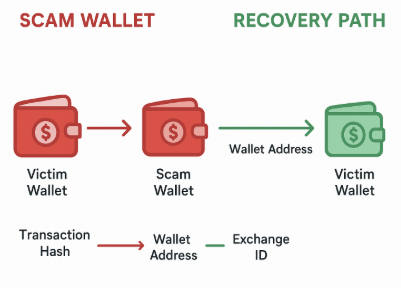
Legitimate recovery companies use blockchain analytics software to follow your cryptocurrency’s path across public ledgers. They examine transaction histories, wallet addresses, and exchange movements to create a map of where your funds went.
The process involves spotting patterns in how scammers move money. They often send stolen crypto through multiple wallets or use mixing services to hide the trail.
Recovery experts document each transaction with timestamps and wallet addresses. Here’s what tracers can do:
- Follow funds across blockchain networks
- Identify which exchanges received your crypto
- Spot connections between different scam operations
- Access wallets endpoints directly
The tracing results become evidence for legal action or exchange freezes. Your recovery depends on whether the funds landed at a regulated exchange willing to cooperate with authorities.
Evaluating a Crypto Recovery Firm
Before you sign any contract or pay fees, you need to ask specific questions that reveal whether a firm operates legitimately. The answers you get will help you separate real recovery services from scammers looking to steal more of your money
Questions to Ask Before Hiring a Recovery Firm
- Ask the firm to explain their exact recovery process in detail. A legitimate company will walk you through the technical steps they use, like blockchain analysis or working with exchanges.
- Scammers give vague answers or claim they have “secret methods.” Request info about their legal registration and licensing.
- Real recovery firms can provide business registration numbers, addresses, and proof of incorporation. Always verify this info yourself through government databases.
- Find out what their fee structure looks like. Legit services usually charge low consultation fees or hourly rates, while Melmac Solutions only gets compensated after a successful recovery process, not big upfront payments.
- Be cautious of firms demanding payment before they start any work. Ask for references from past clients or case studies of successful recoveries.
- While some details might be confidential, real firms can provide general examples. They should also explain cases where recovery wasn’t possible.
Melmac Solutions: Professional Approach to Lost Crypto Recovery
Melmac Solutions stands out in the crypto recovery industry by focusing on evidence-based methods, not quick promises. The company uses professional tracing techniques to track lost or stolen crypto.
Key Features of Their Service:
- No upfront payment required
- Evidence-led tracing process
- Professional reports for each case
- Real-time analytics and monitoring
- Clear communication throughout recovery
Their approach centers on transparency. You get detailed reports showing exactly what they find during their investigation.
This helps you understand where your crypto went and what recovery options exist. Melmac Solutions combines advanced tracking tech with personalized service.
Their team gives real-time updates as they work on your case. You don’t pay until they deliver results, which cuts down your financial risk.
They start with a free wallet trace. This first analysis helps figure out if recovery is even possible.
The company then creates a plan just for your situation. The service works by following blockchain transactions to see where funds moved.
Their analysts prepare forensic reports documenting your crypto’s movement. These reports can help if you need to involve law enforcement or file insurance claims.
You can expect regular communication from their team. They explain technical findings in simple terms so you actually understand each step.
Taking the Next Steps Toward Safe Recovery
Once you’ve found a potential crypto recovery service, take careful steps before moving forward. Start by scheduling a consultation to discuss your case.
A legit company will ask detailed questions about your situation but won’t request your private keys or passwords upfront. During your first contact, pay attention to how the company communicates.
Real recovery services explain their process clearly and set realistic expectations. They won’t guarantee results or promise to recover all your funds.
Before signing any contract, double-check these details:
- The company’s physical business address
- Licensed professionals on their team
- Clear fee structure with no hidden costs
- Written confidentiality agreement
- Specific timeline for the recovery process
Ask for references from previous clients if possible. Also check if the service has handled cases like yours before.
Review all documentation carefully before you sign anything. Make sure you understand payment terms and what happens if recovery efforts fail.
Legit services usually work on a percentage basis or charge for actual work done. Keep records of all communications with the recovery service.
Never provide sensitive info like wallet private keys, seed phrases, or full account credentials during initial conversations.
A genuine recovery expert will explain what info they actually need and why. If something feels off at any point, stop the process.
Trust your instincts when dealing with recovery services. There’s no shame in walking away if you’re not comfortable.
Frequently Asked Questions
Choosing a crypto recovery service raises important questions about legitimacy, costs, and realistic outcomes. Here are answers to the most common concerns people face when trying to recover lost or stolen crypto.
-
1. What signs indicate a cryptocurrency recovery company is legitimate rather than a scam?
Legit recovery companies provide verifiable business registration you can check through official government databases. They have a physical office address—not just a P.O. box or virtual office.
You can usually find their registration with the Secretary of State in their operating state. Real recovery services never guarantee 100% success or promise instant results.
They explain their methodology clearly and set realistic expectations about timelines and what you might recover. Scam operations often pressure you to pay upfront fees before starting any work.
They may contact you out of the blue on social media or claim they can recover funds through special government connections or secret technology.
Legit firms provide detailed contracts outlining services, timelines, and payment terms. They give you time to review agreements and never rush you into signing.
-
2. What qualifications, licensing, or verifiable credentials should a crypto recovery expert have?
Professional crypto recovery experts usually have backgrounds in cybersecurity, digital forensics, or blockchain analysis. Look for certifications like Certified Information Systems Security Professional (CISSP) or Certified Fraud Examiner (CFE).
-
3. What information and evidence should I prepare before contacting a recovery service?
Gather all wallet addresses, transaction IDs, and blockchain explorer screenshots showing the movement of your funds. Document the date and time you lost access or discovered the theft.
Save any communication with scammers—emails, texts, website screenshots. Record the names of exchanges or platforms involved and any account info you still have.
Make a timeline of events leading to the loss. Include details about how you stored your private keys and any security measures you used.
If you filed a police report or contacted the FBI's Internet Crime Complaint Center, include those reference numbers. Prepare documentation of where your crypto funds originally came from.
-
4. How do reputable crypto recovery firms structure their fees, and what does recovery typically cost?
Most legit recovery services charge either a flat consultation fee or work on a percentage basis tied to successful recovery. Percentage fees usually range from 10% to 30% of recovered funds.
Reputable firms clearly explain when payment is due. Many charge a small upfront fee for the initial assessment, then collect the rest only after successful recovery.
Be suspicious of services demanding big upfront payments or asking for payment in crypto. Legit companies accept standard business payment methods and provide detailed invoices.
Some recovery specialists charge hourly rates for their investigation work, typically between $150 and $400 per hour. They provide regular updates on hours spent and progress made.